
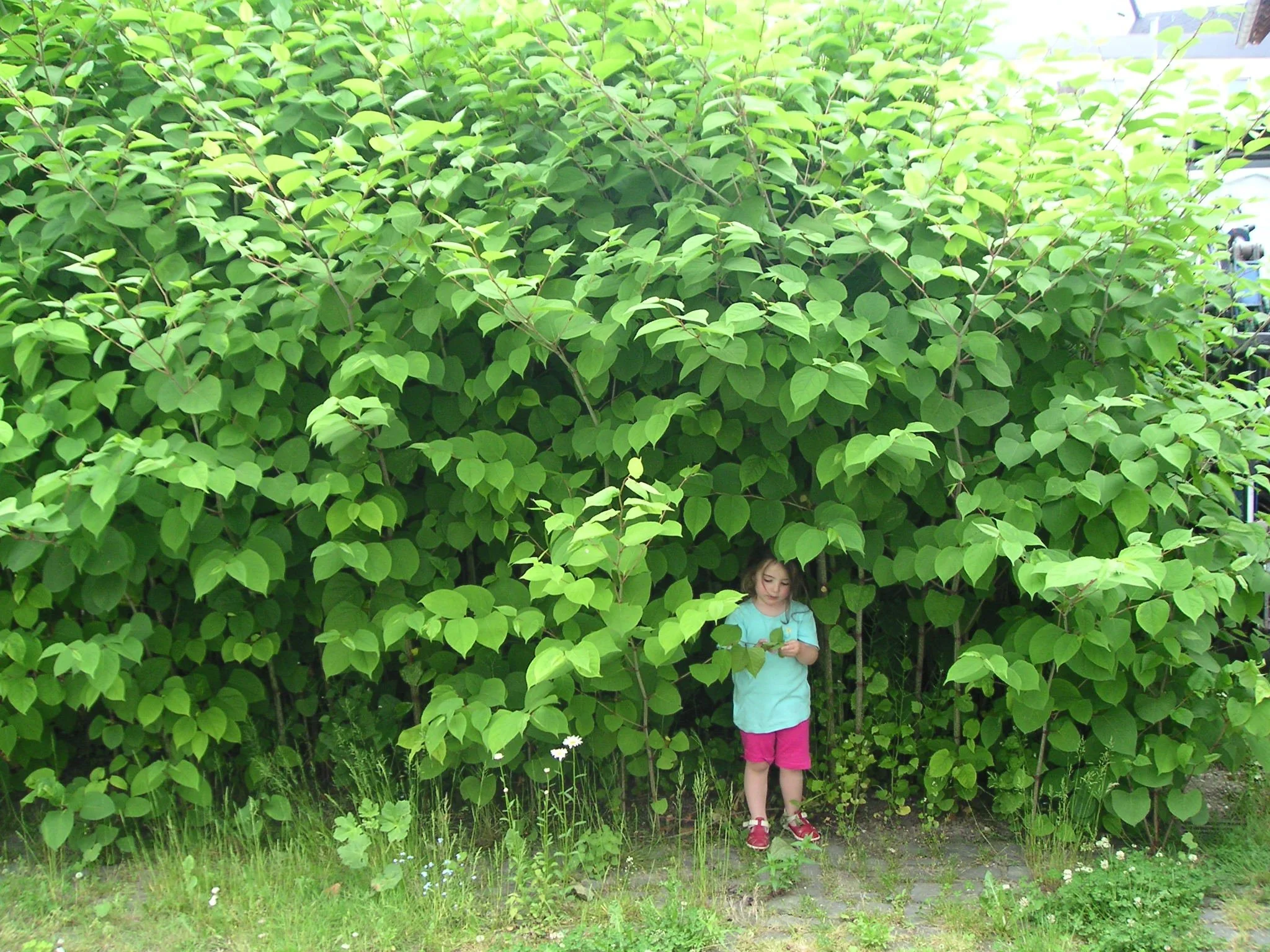
Preventing harms from invasive plants
A requirement to disclose the presence of Japanese knotweed on a property would protect Virginia residents from inheriting a hidden financial liability.
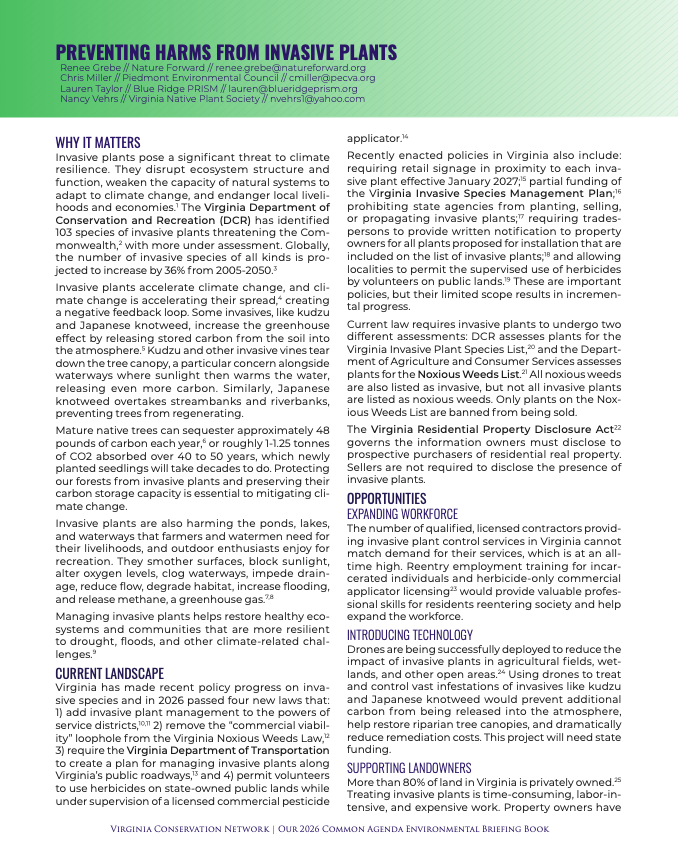
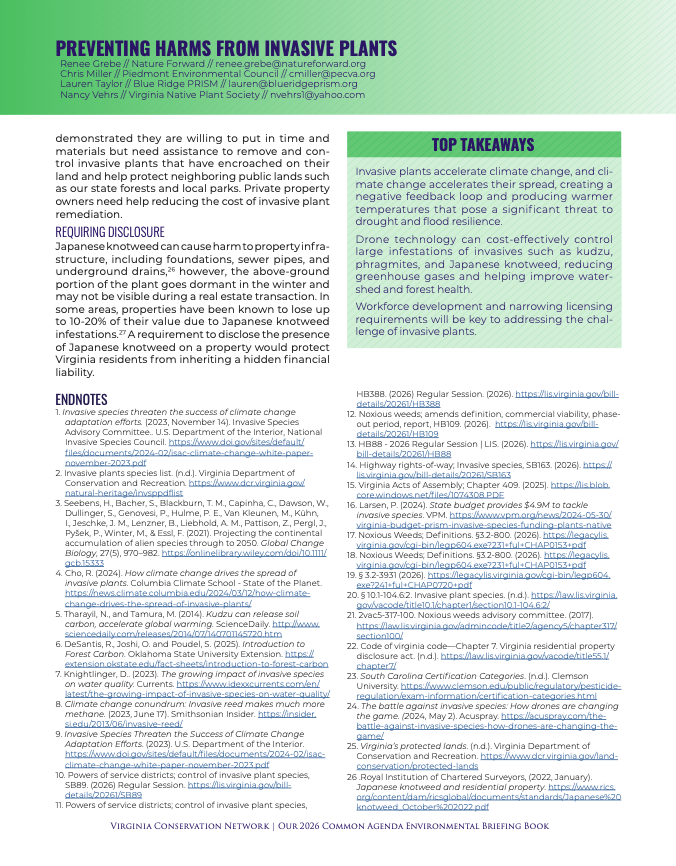
Why it matters:
Expanding the workforce, introducing technology, supporting landowners, and requiring disclosure are all opportunities that will help reverse the spread of invasive plants in Virginia.

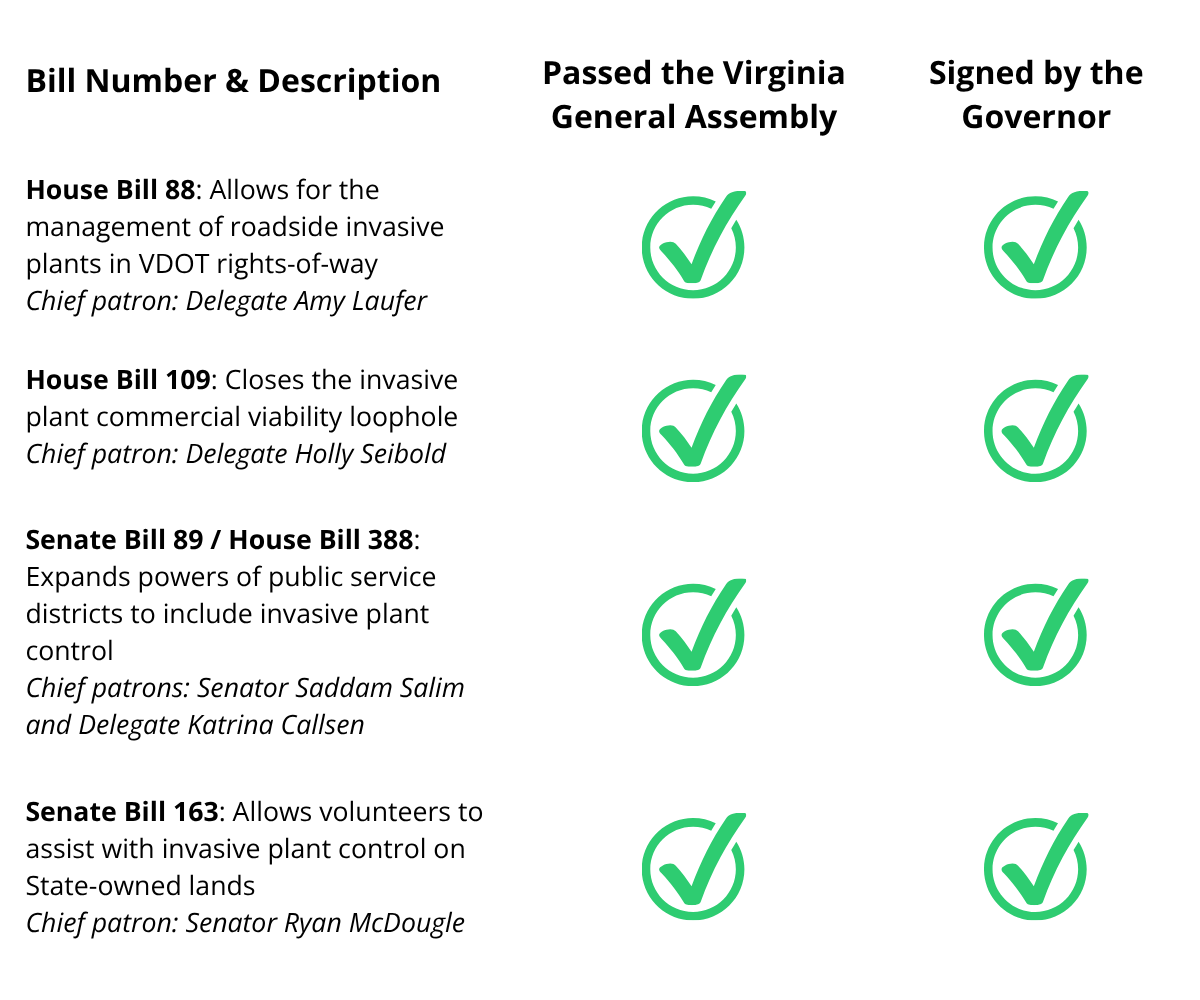
Thank you to everyone who called their legislators!
We could not have done this without you!
Educate Your Legislators About Invasive Plants
Use Our Handy Talking Points and One-Page Leave-Behinds
COMING SOON!

Help get invasive plants out of commerce.
48% of the invasive plants listed on the Virginia Invasive Plant Species List are still available for sale in Virginia. We’re asking America’s largest retail garden center to set the example and STOP selling invasive plants. You can learn more here.
Will you sign the petition today?
Invasive Plants Available for Sale in Virginia
The invasive plants listed below can still be found at retail garden centers and online sellers who will ship to Virginia.
Amur honeysuckle (Lonicera maackii)
Autumn olive (Elaeagnus umbellata)
Beefsteak plant (Perilla frutescens)
Brazilian waterweed (Egeria densa)
Butterfly bush (Buddleja davidii)
Callery pear (Pyrus calleryana)
Chinese privet (Ligustrum sinense)
Chinese silvergrass (Miscanthus sinensis)
Chinese tallow-tree (Triadica sebifera)
Chinese wisteria (Wisteria sinensis)
Cinnamon vine (Dioscorea polystachya)
Cogon grass (Imperata cylindrica)
Crown-vetch (Securigera varia)
English ivy (Hedera helix)
Five-leaf Akebia (Akebia quinata)
Fountain grass (Cenchrus purpurascens)
Golden bamboo (Phyllostachys aurea)
Greater perwinkle (Vinca major)
Italian Arum (Arum italicum)
Japanese barberry (Berberis thunbergi)
Japanese honeysuckle (Lonicera japonica)
Japanese spirea (Spiraea japonica)
Japanese Wisteria (Wisteria floribunda)
Leatherleaf Mahonia (Mahonia bealei)
Linden Arrow-wood (Viburnum dilatatum)
Marsh Dewflower (Murdannia keisak)
Mimosa (Albizia julibrissin)
Moneywort (Lysimachia nummularia)
Nandina (Nandina domestica)
Norway Maple (Acer platanoides)
Oriental Bittersweet (Celastrus orbiculatus)
Parrot Feather (Myriophyllum aquaticum)
Periwinkle (Vinca minor)
Porcelain-berry (Ampelopsis glandulosa)
Ravenna Grass (Tripidium ravennae)
Purple Loosestrife (Lythrum salicaria)
Royal Paulownia (Paulownia tomentosa)
Shrubby Bushclover (Lespedeza bicolor)
Siberian Elm (Ulmus pumila)
Sweet Autumn Clematis (Clematis terniflora)
Thorny Olive (Elaeagnus pungens)
Tree-of-heaven (Ailanthus altissima)
Trifoliate Orange (Citrus trifoliata)
Water Hyacinth (Oshuna crassipes)
White Mulberry (Morus alba)
Wineberry (Rubus phoenicolasius)
Winged Euonymus (Euonymus alatus)
Winter Honeysuckle (Lonicera fragrantissima)
Winter Creeper (Euonymus fortunei)
Yellow Flag (Iris pseudacorus)